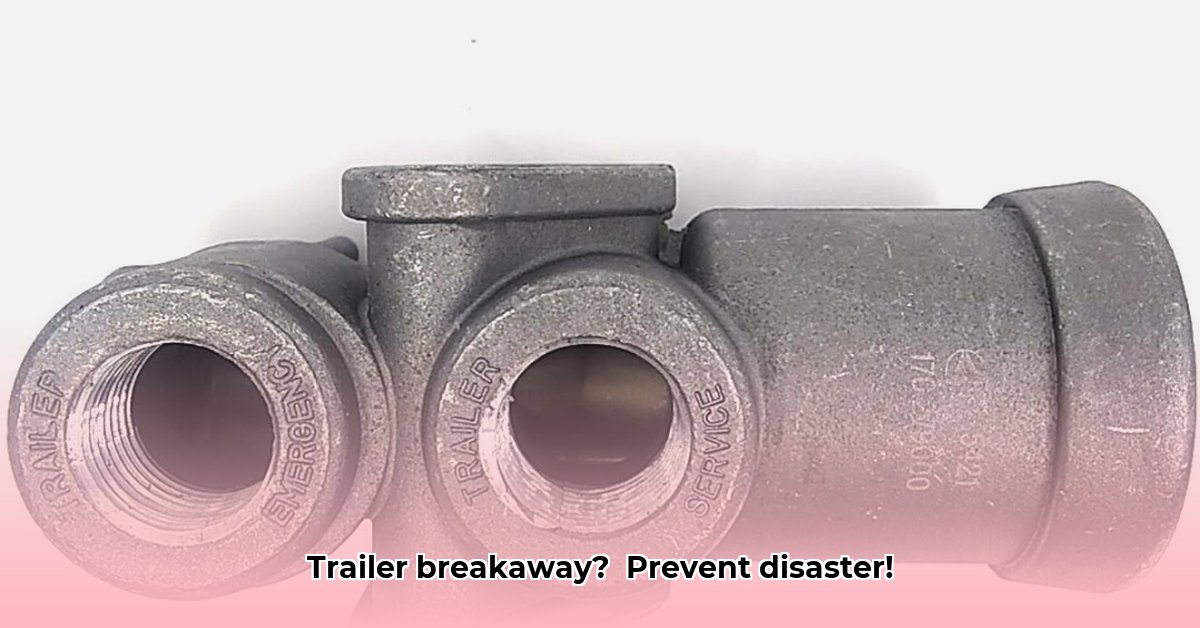
Understanding Your Tractor Protection Valve (TPV)
The Tractor Protection Valve (TPV) is a critical safety device preventing runaway trailers. It automatically activates the trailer's emergency brakes if the air supply is suddenly interrupted, preventing potential accidents. Understanding its function is crucial for safe and legal operation. Did you know that a malfunctioning TPV is a leading cause of preventable trailer breakaways? (Source: [Insert Source if available]) For more in-depth information, see this helpful guide on TPV function.
How the TPV Works: A Detailed Explanation
The TPV monitors the air pressure in the trailer's braking system. If this pressure drops below a predetermined threshold (the exact threshold varies by manufacturer and model), the TPV instantly shuts off the air supply to the trailer's brakes. This action simultaneously activates the trailer's spring-applied emergency brakes. This rapid response prevents a runaway trailer, even in scenarios like sudden disconnections or significant air leaks. This is often a misunderstood system, with many believing it's a simple on/off switch; however, it's a more sophisticated mechanism that responds to changing pressure levels.
In simpler terms, imagine the TPV as a pressure-sensitive safety valve. It acts like a safety net, preventing critical air loss from causing a catastrophic failure of your braking system.
TPV Inspection and Maintenance: A Step-by-Step Guide
Regular inspection and maintenance are crucial for ensuring your TPV functions correctly. Follow these steps:
Safety First: Always disconnect the air supply before starting any inspection or maintenance (Always ensure the air pressure is completely relieved before commencing inspection or maintenance).
Visual Inspection: Carefully examine the valve and its connections for any damage (cracks, dents, corrosion), leaks (listen for hissing sounds), or loose fittings. Pay close attention to any signs of wear and tear.
Clean the Area: Remove any dirt, debris, or mud obstructing the valve or its connections. Use a brush and compressed air for effective cleaning.
Check Air Lines: Inspect the air lines for damage, kinks, or leaks. Replace any damaged or worn lines immediately.
Tighten Connections: Ensure all connections are secure and properly tightened. Loose connections can lead to air leaks and compromise the TPV's functionality.
Testing Your TPV: Two Essential Procedures
Testing your TPV confirms its proper functioning and can prevent serious accidents.
Service Brake Test: Apply your tractor's service brakes firmly. Your tractor's brakes should function normally. The TPV should not affect tractor braking. This is a negative test – no action is expected from the TPV.
Trailer Air Supply Shutoff Test: With the trailer connected, disconnect the air supply line to the trailer. The trailer's emergency brakes should immediately engage if the TPV is working correctly. This is a positive test; you should see an immediate reaction.
Immediately address any issues discovered during these tests. A professional inspection might be necessary.
Troubleshooting Common TPV Problems
Addressing issues quickly is vital. Here are some common problems and potential solutions:
| Problem | Possible Cause(s) | Solution |
|---|---|---|
| Air Leaks | Damaged valve, loose connections, worn seals | Repair or replace damaged components; tighten connections |
| Slow or Delayed Response | Internal valve malfunction, low air pressure | Professional inspection and potential repair or replacement |
| Inconsistent Brake Activation | Faulty electrical components, air pressure issues | Consult a professional technician for diagnosis and repair. |
| No Brake Activation | Completely failed TPV, major electrical or air problems | Replace the TPV; address underlying air or electrical issues. |
Always consult a qualified technician if you cannot resolve a TPV issue.
Regulatory Compliance: Staying on the Right Side of the Law
Regular TPV inspections and testing are often mandated by local and national regulations. These regulations are critical for safety. Familiarize yourself with all applicable regulations in your area to ensure compliance. Penalties for non-compliance can be significant.
Conclusion: Prioritizing Safety Through TPV Maintenance
Proper TPV maintenance is not just about avoiding fines; it's about ensuring the safety of yourself, others on the road, and your valuable cargo. Regular inspections and testing are crucial investments in safety. Remember, a functioning TPV is your first line of defense against runaway trailers and the potentially devastating consequences. "Proactive maintenance is the cornerstone of safe hauling," stated [Expert Name and Title, Institution].